
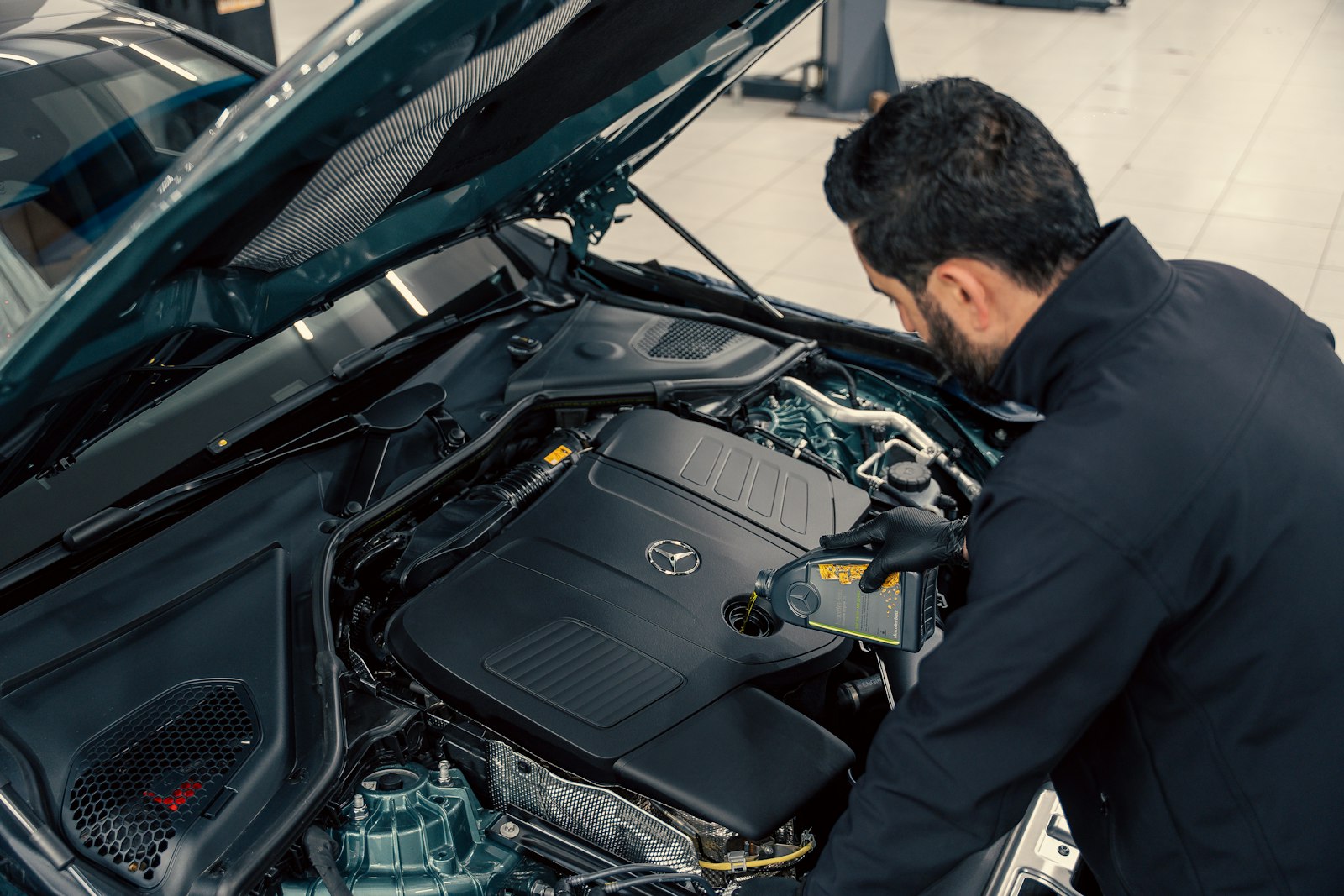
A worn Seat Ibiza steering pump can manifest itself in several different ways, i.e. a very heavy steering or even a ‘whirring’ sound coming from under the bonnet. If you have a problem with your power steering we recommend that you obtain a quote for a repair as costs can vary significantly from one garage to another.
Typical Cost Range
The average Seat Ibiza Steering Pump Repair cost is around £150-£300 + labour, although you can get a brand new Steering Pump for around £400-£550 + labour depending on your circumstances. There are, however, a number of cost-effective reconditioned Steering Pumps on the market today, that will cost around £180-£280 + labour fitted.
Hydraulic vs Electric Generation
Cost for repair of Seat Ibiza Steering Pump depends on model year. In models until 2008 Steering Pump is a hydraulic driven component which requires a lot more time and work for a repair than the new Electric Generation type models from year 2009 onwards, that are quick and simple to replace. New models also require a software reset when a replacement Steering Pump is fitted.
Extra Parts That Add to the Bill
Then, of course, there are parts and fluids which may need to be replaced too, such as power steering fluid and new hoses, as well as possibly a new drive belt. Allow about £30 to £80 for these.
Checking Whether a Quote Is Fair
Look for quotes that include a minimum of 6 months’ warranty for the work, and check whether or not the pump has been bench tested before it has been fitted with new parts. More on Seat Ibiza Steering Pump can be found at https://westernpowersteering.co.uk/vehicles/seat/seat-ibiza-steering-pump-2002-2016/.
When Replacement Beats Repair
When you have done the repair and it has cost more than two-thirds of the price for a new reconditioned Steering Pump (Seat Ibiza) then it is time to change it. The only thing that matters is whether the repair has worked. A cracked Pump casing or worn internal shafts is not something that can be repaired.
Getting a clear quote upfront, with warranty terms confirmed in writing, will protect you against any unexpected costs later on.
How a hydraulic pump creates steering assistance
A hydraulic steering pump works on the same principle as any hydraulic power unit, which helps explain why a failing one feels and sounds the way it does. The system uses fluid under pressure to transmit power. A motor or engine drives a pump, usually through a belt or coupling, and the pump turns that mechanical energy into hydraulic energy by pressurising the fluid. The pressurised fluid then works cylinders, motors or valves.
Pumps come in several designs, including gear, vane and piston types, but they all depend on clean fluid and sound seals to build pressure. When internal parts wear or the fluid runs low, pressure drops, which is why heavy steering and a whirring noise are common warning signs.
The same technology is used well beyond cars. Hydraulic power lifts heavy loads on excavators and bulldozers, drives tractors and farm machinery, raises vehicles on garage lifts and hauls catches on fishing boats. Its ability to deliver strong, controlled force is what makes it so widely used.